What Does Home Wound Care Involve?
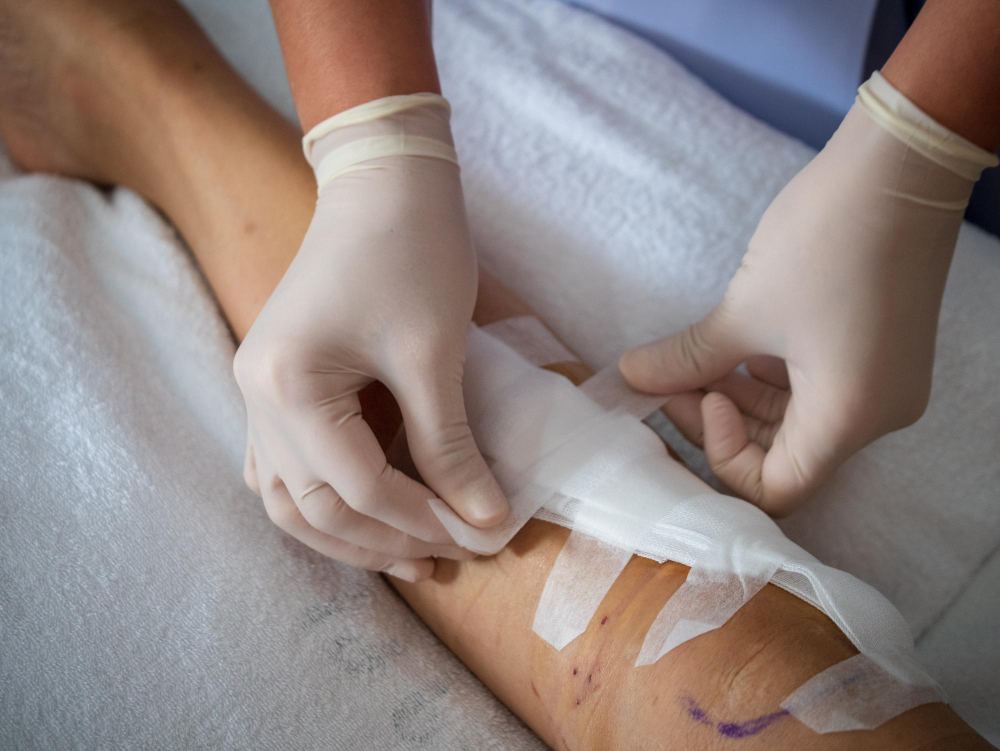
Wound care involves cleaning a wound and applying the right dressing, then keeping a close eye on how it heals between visits. Edwin cares for surgical wounds, pressure sores, leg ulcers and wounds linked to diabetes, along with minor burns.
What Is A Catheter Change?
A urinary catheter is a thin tube that drains urine from the bladder. Long-term catheters need to be replaced at regular intervals, as advised by your doctor, to lower the risk of infection and blockage. Having it changed at home spares you the discomfort of travelling with a catheter that is due for replacement.
Who Is This Care For?
These services are often arranged for people recovering after an operation and for older adults with limited mobility. People living with a long-term catheter use them too.
What Happens At Each Visit?
Edwin brings sterile supplies to every appointment. A typical visit includes:
- a check of the wound or catheter site for signs of infection
- cleaning and redressing the wound, or removing and replacing the catheter
- a record of how the wound is progressing, so changes are picked up early
- guidance on keeping the area clean and dry until the next visit
If a wound is infected and your doctor has prescribed antibiotics through a drip, IV medication can often be given during the same visit. If a wound is not healing as expected, Edwin will recommend that you see your doctor.
How Long Will Healing Take?
Healing time depends on the type and size of the wound, as well as factors such as circulation and any underlying conditions. Some wounds close within a couple of weeks. Others, such as leg ulcers, can need months of regular care. After the first assessment, Edwin will tell you how often visits are likely to be needed.